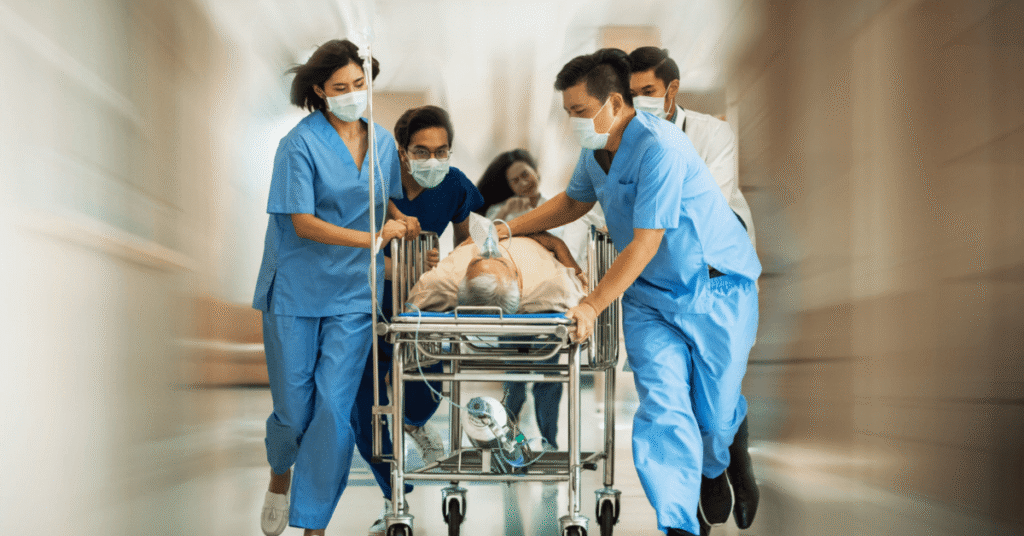
Emergencies can happen anytime, anywhere — at home, work, or even while traveling. Knowing basic first aid can make the difference between life and death. First aid is the immediate care given to a person who is injured or suddenly becomes ill, before professional medical help arrives. It helps prevent complications, reduces pain, and can save lives.
The key steps in first aid start with assessing the situation. Always ensure the area is safe for both you and the victim. Next, check the person’s responsiveness and breathing. If someone is unresponsive and not breathing, begin CPR immediately. CPR, or cardiopulmonary resuscitation, is a crucial life-saving technique that helps maintain blood flow to vital organs until professional help arrives.
For injuries like cuts, scrapes, or burns, quick action can prevent infections. Clean wounds thoroughly with clean water, apply antiseptic, and cover them with a sterile bandage. For burns, cool the affected area with running water for at least 10 minutes, avoid using ice directly, and seek medical attention for severe burns.
Choking is another emergency that requires fast action. Encourage the person to cough. If that fails, perform the Heimlich maneuver to dislodge the obstruction. For poisoning, whether by ingestion, inhalation, or skin contact, call emergency services immediately and follow their instructions while keeping the person safe.
Remember, first aid is not just about treating injuries — it’s about staying calm and acting wisely. Keep a well-stocked first aid kit at home, in the car, and at work. Include items like bandages, antiseptics, gloves, pain relievers, a thermometer, and CPR masks. Regularly check the kit to ensure nothing is expired.
Learning first aid is not difficult. Many organizations and health centers provide certified courses where you can practice essential skills such as wound care, CPR, treating fractures, burns, and dealing with sudden illnesses. Encouraging children and family members to learn first aid can make homes safer and communities stronger.
By knowing first aid, you empower yourself to act confidently in emergencies, reduce the risk of complications, and potentially save lives. Every second counts in an emergency, and being prepared makes all the difference.