Accidents and sudden health emergencies are unpredictable. First aid is the immediate assistance given to a sick or injured person before professional medical help is available. Being trained in first aid ensures you can act quickly, minimize harm, and provide comfort to those in distress.
One of the most common emergencies is sudden cardiac arrest. Immediate CPR can double or even triple a person’s chance of survival. Learn the proper steps for chest compressions and rescue breaths, and always call emergency services as soon as possible. Automated External Defibrillators (AEDs) are also life-saving devices used to restore normal heart rhythm in cardiac emergencies.
For bleeding injuries, it’s essential to act quickly. Apply direct pressure to the wound using a clean cloth or bandage. Elevate the injured area if possible and avoid removing embedded objects — instead, stabilize them and wait for medical help. For minor wounds, antiseptic application and proper bandaging can prevent infections and speed up healing.
Burns require immediate cooling with running water and covering with a sterile dressing. Avoid applying creams or ointments before seeking medical guidance. In cases of fractures or sprains, immobilize the affected area using splints or padding to prevent further injury until professional care is available.
Choking, fainting, seizures, and allergic reactions are other situations where quick first aid is crucial. For choking, perform the Heimlich maneuver; for fainting, lay the person flat and elevate their legs; during seizures, protect them from injury and do not restrain them; and for severe allergic reactions, administer an epinephrine auto-injector if available and call for emergency help.
Every first aid responder should remain calm and follow the principles of “DRABC” — Danger, Response, Airway, Breathing, Circulation. Ensure safety, check responsiveness, maintain breathing and circulation, and provide care accordingly.
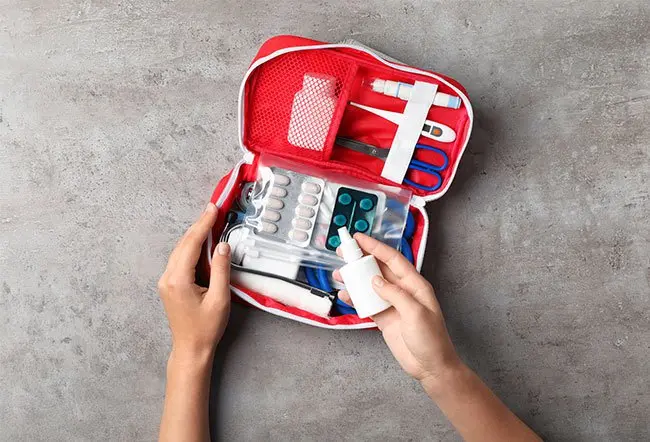
A well-stocked first aid kit is indispensable. Essentials include bandages, adhesive tape, antiseptics, scissors, gloves, tweezers, CPR masks, and instant cold packs. Consider adding medications for pain, allergy, or minor illness, but always check expiration dates and instructions.
Learning first aid goes beyond knowledge — it builds confidence. With basic skills, you can act decisively, reduce panic, and provide immediate care that could save a life. Encourage your family, friends, and colleagues to take first aid courses, and practice regularly to stay prepared. In critical moments, your timely response can make all the difference.