Bone & Joint Care

Explore expert bone and joint care for arthritis, osteoporosis, and back pain. Learn about treatments, causes, procedure steps, benefits, and tips for healthy bones and joints.

Bone & Joint Care: Arthritis, Osteoporosis & Back Pain

Healthy bones and joints are vital for an active life. Problems like arthritis, osteoporosis, and back pain can reduce mobility and affect daily activities. Understanding symptoms, treatment options, and preventive care helps you maintain strength, flexibility, and comfort.

This guide covers everything you need to know — from causes to treatments, benefits, and patient experiences.

Preventive Tips for Bone & Joint Health

→ Maintain a healthy weight to reduce stress on joints.

→ Perform regular weight-bearing and strengthening exercises.

→ Eat a balanced diet rich in calcium, vitamin D, and protein.

→ Avoid smoking and limit alcohol consumption.

→ Ensure safe home environment to prevent falls.

→ Regular checkups for early detection of bone or joint issues.

1. Arthritis Care

What is Arthritis?

Arthritis is inflammation of the joints, leading to pain, stiffness, and reduced mobility. It can affect one or multiple joints and has several types:

Common Symptoms

→ Joint pain and tenderness

→ Swelling and redness

→ Stiffness, especially in the morning

→ Limited movement

2. Osteoporosis Management

What is Osteoporosis?

Osteoporosis is a condition where bones become weak and brittle, increasing the risk of fractures. It often develops silently and is more common in older adults, especially women.

Common Symptoms

→ Fragile bones and frequent fractures

→ Loss of height over time

→ Stooped posture or back pain

→ Weak grip strength

3. Back Pain Relief and Care

What is Back Pain?

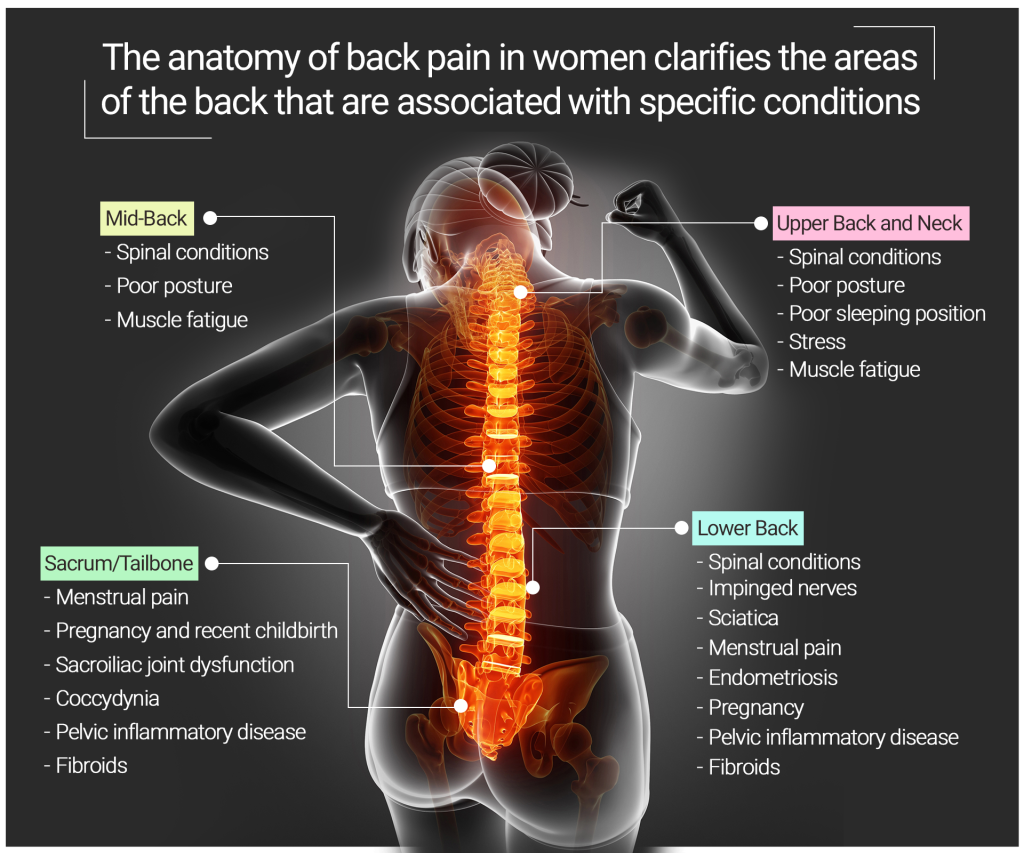
Back pain can affect the upper, middle, or lower back and may result from muscle strain, injury, poor posture, or underlying conditions like herniated discs or arthritis.

Common Symptoms

→ Dull or sharp pain in the back

→ Stiffness or difficulty bending

→ Numbness or tingling in legs (in severe cases)

→ Muscle spasms