Strong Bones, Healthy Joints – Your Guide to Lifelong Mobility

Maintaining healthy bones and joints is the foundation of an active, pain-free life. Yet, as we age, everyday wear and tear, poor posture, nutritional deficiencies, or injuries can lead to bone loss and joint problems. Understanding how to protect and strengthen these vital structures can help prevent painful conditions like arthritis, osteoporosis, and fractures.

Why Bone & Joint Health Matters

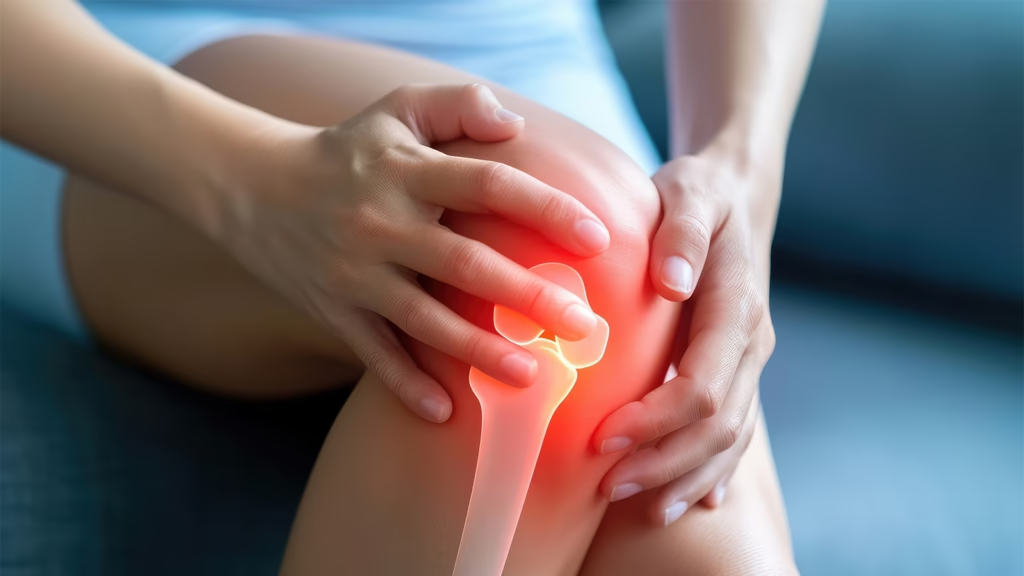
Your bones and joints work together to support your body’s movement, balance, and strength. Healthy bones prevent fractures, while strong joints allow flexibility. When neglected, conditions such as osteoarthritis, rheumatoid arthritis, or osteoporosis can limit movement and cause chronic pain, significantly affecting quality of life.

Common Causes of Bone & Joint Problems

  1. Aging: With time, bones lose density and joints lose cartilage.
  2. Lack of Calcium & Vitamin D: Essential nutrients for bone strength.
  3. Sedentary Lifestyle: Reduces joint lubrication and bone density.
  4. Injury or Overuse: Repetitive strain from sports or work.
  5. Hormonal Changes: Especially in women after menopause.

Simple Habits to Keep Your Bones & Joints Strong

  • Eat a bone-healthy diet: Include calcium-rich foods like milk, cheese, yogurt, leafy greens, and almonds.
  • Get enough Vitamin D: Sunlight exposure for 15–20 minutes daily helps the body absorb calcium.
  • Stay active: Exercises like walking, swimming, yoga, and strength training improve bone density and joint flexibility.
  • Maintain healthy weight: Excess weight puts extra stress on knees, hips, and spine.
  • Avoid smoking and alcohol: These reduce bone mass and slow down healing.

When to Visit a Specialist

Persistent joint stiffness, swelling, or bone pain should never be ignored. Early diagnosis through bone density tests, X-rays, or MRI scans can prevent further damage. An orthopedic specialist can guide you with proper treatment, physiotherapy, or lifestyle adjustments.

Advanced Bone & Joint Treatments

Modern medicine offers advanced solutions for chronic issues:

  • Arthroscopic Surgery: Minimally invasive treatment for knee or shoulder injuries.
  • Joint Replacement: For severe arthritis or damage, knee and hip replacements can restore mobility.
  • PRP Therapy (Platelet-Rich Plasma): Promotes natural healing of joints and tissues.
  • Physiotherapy: Improves strength, flexibility, and posture for long-term relief.

Conclusion

Your bones and joints carry you through life—treat them with care. Through balanced nutrition, regular movement, and preventive check-ups, you can stay strong, flexible, and pain-free for years to come. Remember, it’s never too early—or too late—to start caring for your bones and joints.
    Comments are closed