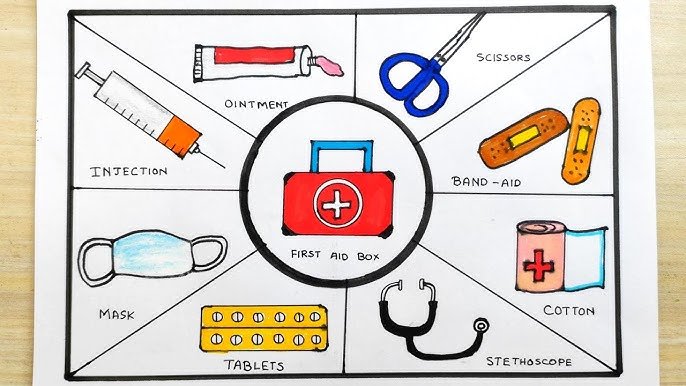
First Aid: Essential Knowledge for Emergencies
First aid is the immediate care provided to someone who is injured or suddenly ill. It helps prevent the condition from worsening and can save lives in critical situations. Knowing basic first aid empowers you to act confidently during emergencies and protect the health of yourself and others.
This guide covers first aid procedures, common injuries, treatment steps, preventive measures, patient experiences, and practical tips for effective emergency response.
Why First Aid Matters
→ Can save lives in emergencies such as heart attacks or severe injuries
→ Reduces the severity of injuries and prevents complications
→ Supports faster recovery and minimizes long-term damage
→ Enhances safety in workplaces, homes, and public spaces
First aid knowledge is crucial for everyone, regardless of age or profession.
Common First Aid Situations
1. Cuts and Wounds
→ Symptoms: Bleeding, pain, redness, or swelling
→ Benefits: Prevents infection, promotes healing, and reduces scarring
2. Burns
→ Types: Thermal, chemical, electrical
→ Benefits: Reduces pain, prevents infection, and limits tissue damage
3. Fractures and Sprains
→ Symptoms: Swelling, pain, deformity, inability to move limb
→ Benefits: Prevents further injury, reduces pain, and supports healing
4. Choking
→ Symptoms: Difficulty breathing, coughing, inability to speak
→ Benefits: Clears the airway, prevents suffocation, and saves lives
5. Heart Attack or Chest Pain
→ Symptoms: Chest discomfort, shortness of breath, nausea, sweating
→ Benefits: Improves survival chances and reduces heart damage
6. Fainting or Unconsciousness
→ Benefits: Ensures airway safety and prevents injuries from falls