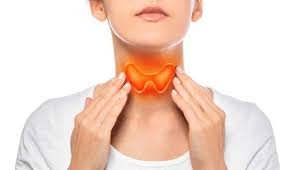
Thyroid Disorders

Thyroid disorders occur when the thyroid gland produces too much or too little hormone, affecting metabolism, energy, and overall health. Common types include hypothyroidism, hyperthyroidism, and thyroid nodules. Symptoms may include fatigue, weight changes, and mood swings. Timely diagnosis and treatment help restore balance and wellbeing.

Thyroid Disorders

The thyroid is a small, butterfly-shaped gland in your neck that plays a big role in your health. It regulates metabolism, energy levels, heart rate, and even mood. When the thyroid doesn’t function properly, it can lead to thyroid disorders. These conditions can affect anyone, at any age.

Common Types of thyroid disorders

→ Hypothyroidism: Low thyroid hormone levels.

→ Hyperthyroidism: Excess thyroid hormone.

→ Goiter: Enlargement of the thyroid gland.

→ Thyroid nodules: Lumps in the thyroid, sometimes cancerous.

→ Thyroiditis: Inflammation of the thyroid gland.

→ Thyroid cancer: Abnormal growth of thyroid cells.

Treatment Options

Treatment depends on the type and severity of the disorder.

1. Medication

→ Hypothyroidism: Usually treated with levothyroxine to replace missing hormone.

→ Hyperthyroidism: Treated with anti-thyroid medications like methimazole to reduce hormone production.

→ Thyroid inflammation or autoimmune causes: Sometimes corticosteroids or other immunosuppressive drugs.

2. Radioactive Iodine Therapy

→ Used mainly for hyperthyroidism or some thyroid cancers.

→ Destroys overactive thyroid cells safely.

→ Usually a one-time procedure but may require long-term monitoring.

3. Surgery (Thyroidectomy)

→ Recommended for large goiters, suspicious nodules, or thyroid cancer.

→ Partial or complete removal of the thyroid.

→ Recovery typically takes a few weeks; hormone replacement may be required afterward.